Core Rescue Stages
Surplus Food Rescue Programme
Good Food Should Reach People, Not the Bin.
We work to build responsible pathways for collecting suitable surplus food, checking it carefully and connecting it with verified community needs—quickly, safely and with dignity.
01 Report02 Check03 Collect04 Deliver
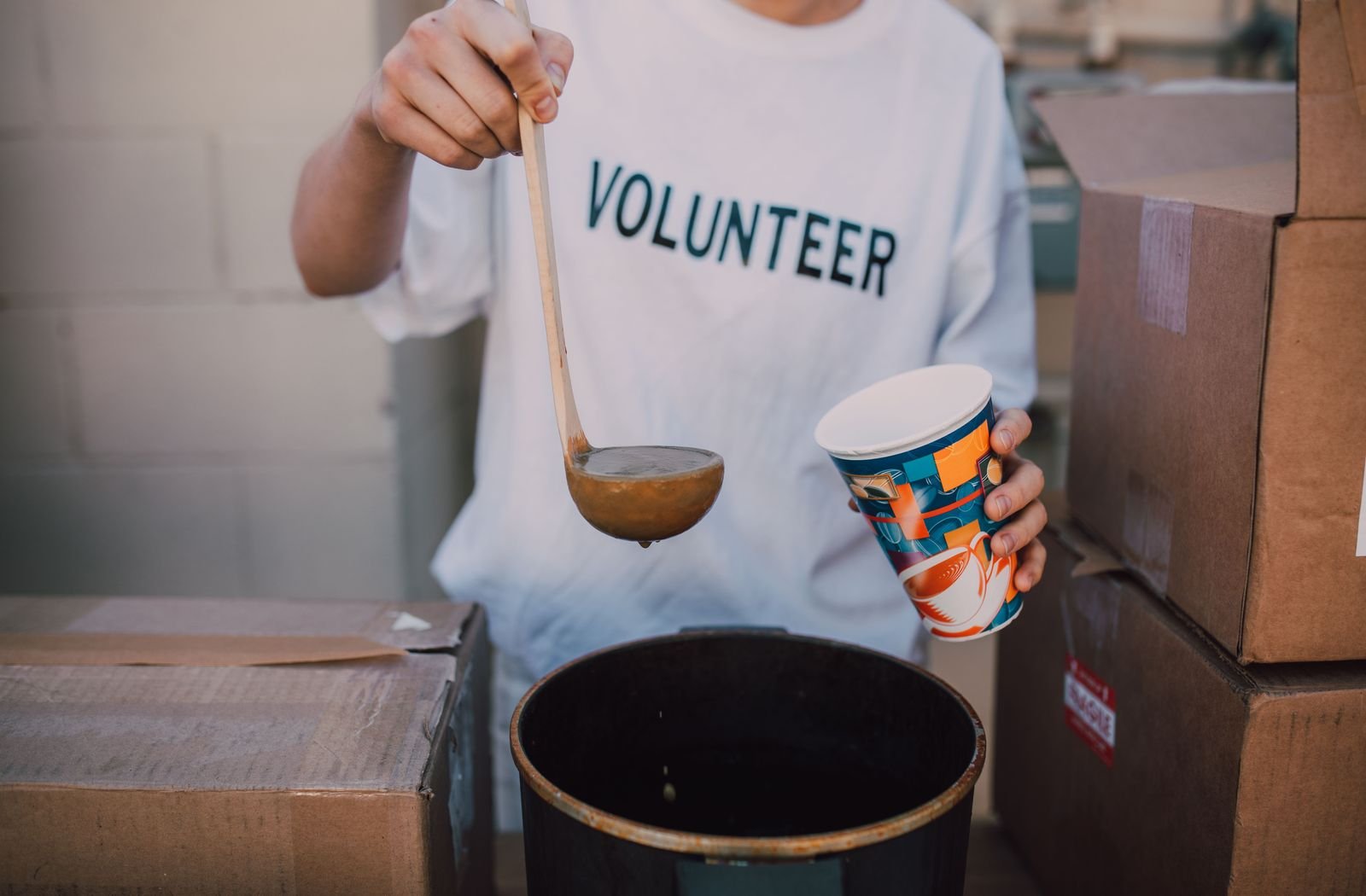
Safety first. Collection is confirmed only after suitability and timing are checked.
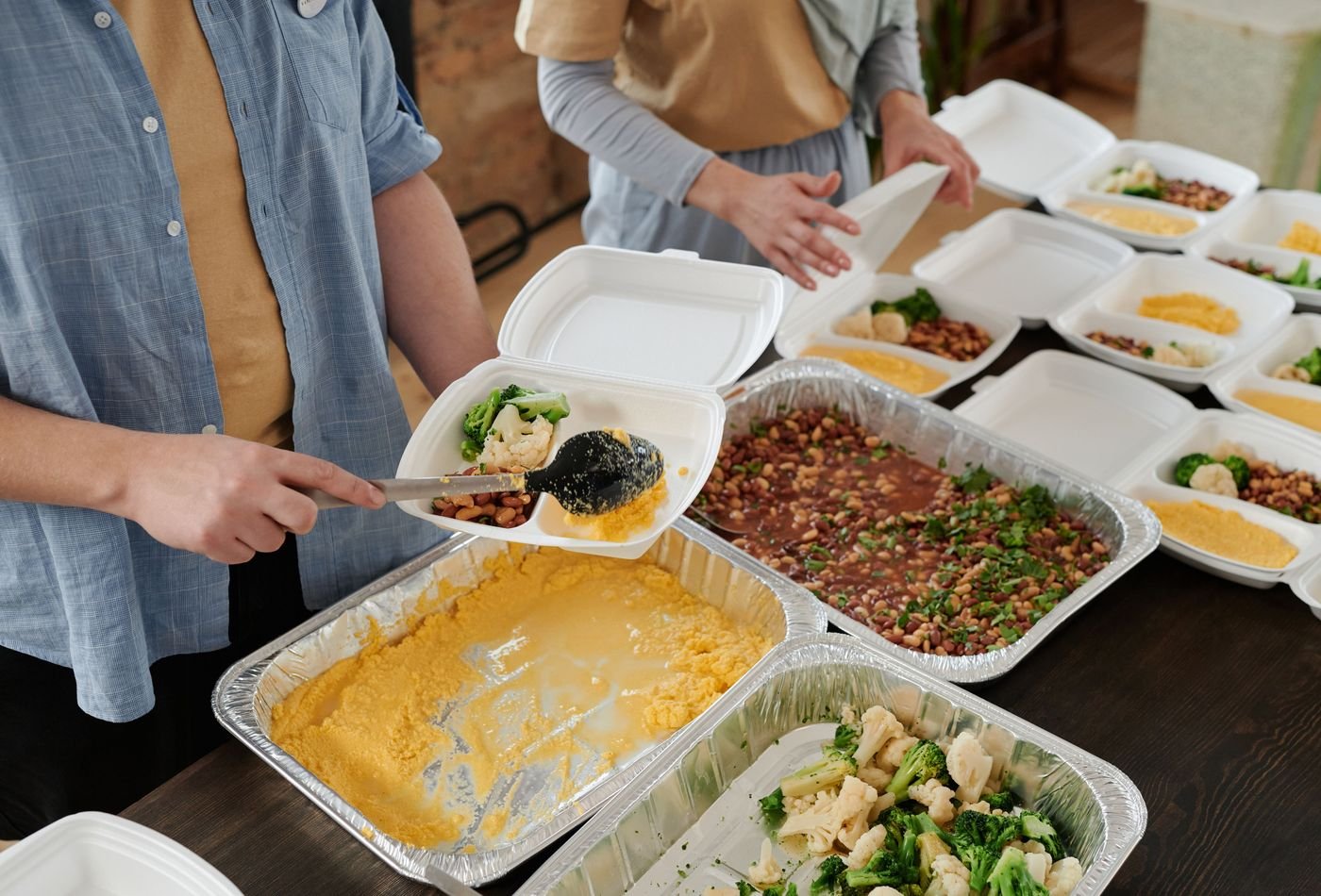
From Extra to Essential010 020 030 040
A responsible rescue chain can turn avoidable waste into timely nourishment.
Asian Network Foundation aims to connect suitable surplus food from events, restaurants, institutions, offices and community partners with verified beneficiaries and support organisations.
Food rescue must never compromise safety. Every collection depends on timely information, suitable food, hygiene, safe packing, responsible transport and a practical distribution window. Food that does not meet programme standards should not be redistributed.
Editable Action Areas
Food Donation FAQs
Shared Goal: Less Waste
The Food Rescue Network
Every safe meal needs coordination before it reaches a plate.
Edit, reorder or expand each action area from the WordPress dashboard as your programme develops.
01
Donor Coordination
Connect with restaurants, caterers, event venues, offices, housing societies and institutions that can report suitable surplus food promptly.
02
Food Safety Screening
Review timing, storage, ingredients, condition and handling details before accepting food for community redistribution.
03
Hygienic Packing
Use clean food-grade containers, practical portioning and clear handling practices to reduce contamination and spillage.
04
Fast Collection & Routing
Coordinate nearby volunteers or transport so accepted food can move quickly within a safe distribution window.
05
Dignified Distribution
Work with verified shelters, community groups, hospitals and local support points to distribute food respectfully.
06
Food-Waste Awareness
Encourage better planning, responsible portions and surplus-food reporting among families, institutions and event organisers.
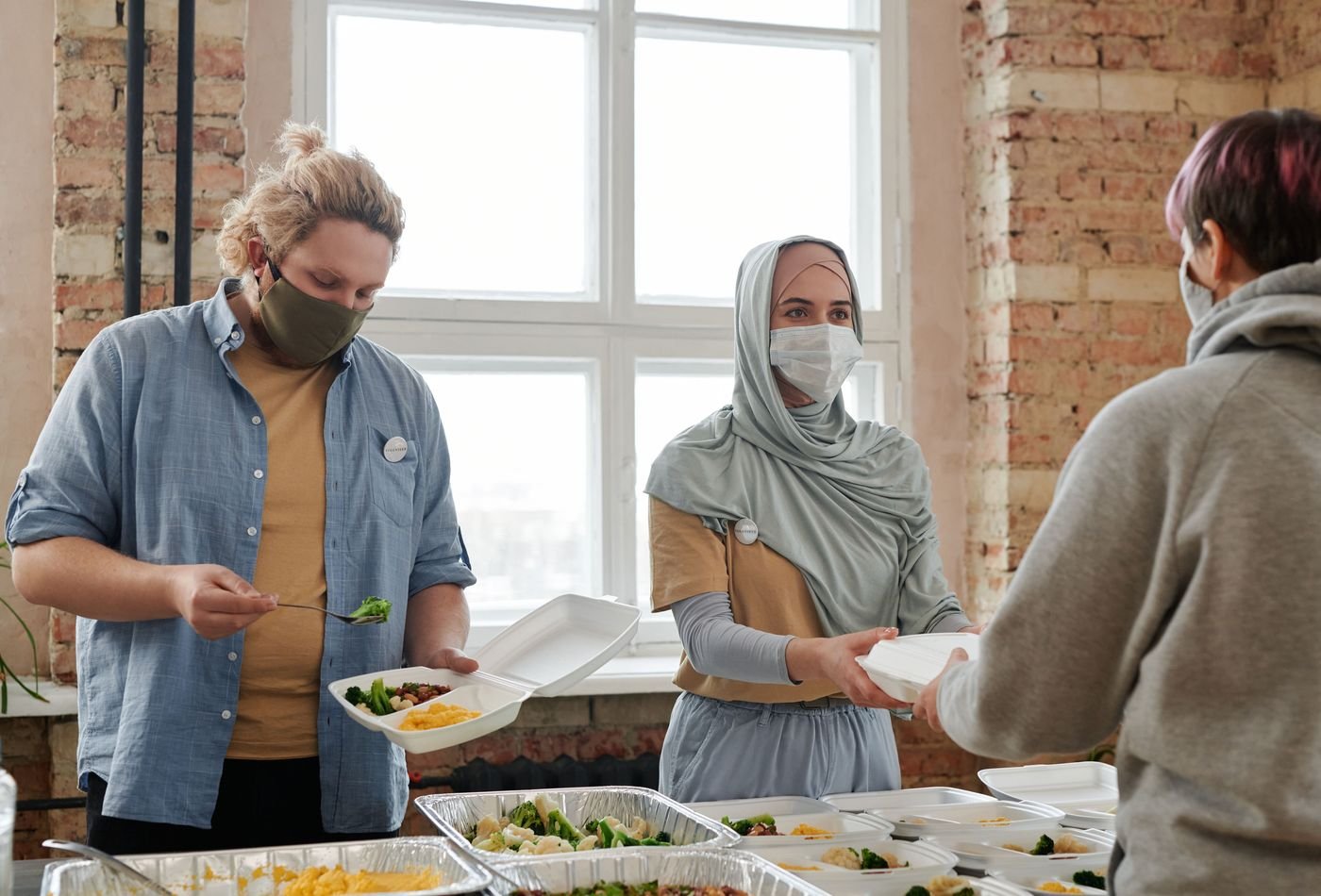
Right food.Right time. Right route.
Safe Rescue, Step by Step
Speed matters—but food safety comes first.
A surplus-food programme should operate through a clear decision process. Donors share accurate information; coordinators assess suitability; accepted food is packed and transported safely; and distribution partners confirm where it can be used responsibly.
- 01
Report: donor shares food type, quantity, preparation time, location and storage details
- 02
Check: coordinator confirms suitability, hygiene, timing and available distribution capacity
- 03
Collect: accepted food is packed in clean containers and moved through the shortest practical route
- 04
Deliver: verified partners distribute promptly and report completion or any issue
Food Rescue in Action
Preparation, Packing, Collection and Community Service
Relevant optimized starter photographs are included locally. Replace them anytime with your own verified NGO activity photographs.
What a Responsible Food-Rescue Partnership Should Deliver
The most useful partnership starts before the event ends: accurate quantity, preparation time and a clear collection window help prevent both waste and unsafe delays.
A successful rescue is not measured only by kilograms collected. It is measured by food that is suitable, handled responsibly and delivered where it is genuinely needed.
Dignity matters at every step—from how food is packed to how recipients are approached and served.
Suitability depends on preparation time, ingredients, storage, temperature, packaging, quantity, location and available distribution capacity. Contact the foundation before sending food. Acceptance should never be assumed.
Potentially, yes. Event organisers or caterers should share an early estimate, preparation and service times, the food type, storage conditions, collection location and a responsible contact person.
No. Food may be declined when safety, timing, storage, transport, packaging or distribution conditions are unsuitable. Protecting recipients is more important than collecting a larger quantity.
Contact as early as possible—ideally before or during the event rather than after food has remained out for a long time. Early information improves planning and does not guarantee collection.
Yes. Regular partnerships can be discussed around reporting procedures, food-safety expectations, collection windows, staff contacts, packaging, transport and verified community routes.
Volunteer roles may include donor coordination, food packing support, route assistance, distribution, awareness and documentation. Participation can require identity verification, orientation and hygiene guidance.
Companies can discuss transport support, food-grade containers, community kitchens, volunteer engagement, awareness campaigns, technology, programme operations or verified meal initiatives subject to compliance.
Unsafe or unsuitable food should not be served. Where available, donors can be guided toward responsible wet-waste processing, composting or biogas options instead of redistribution.
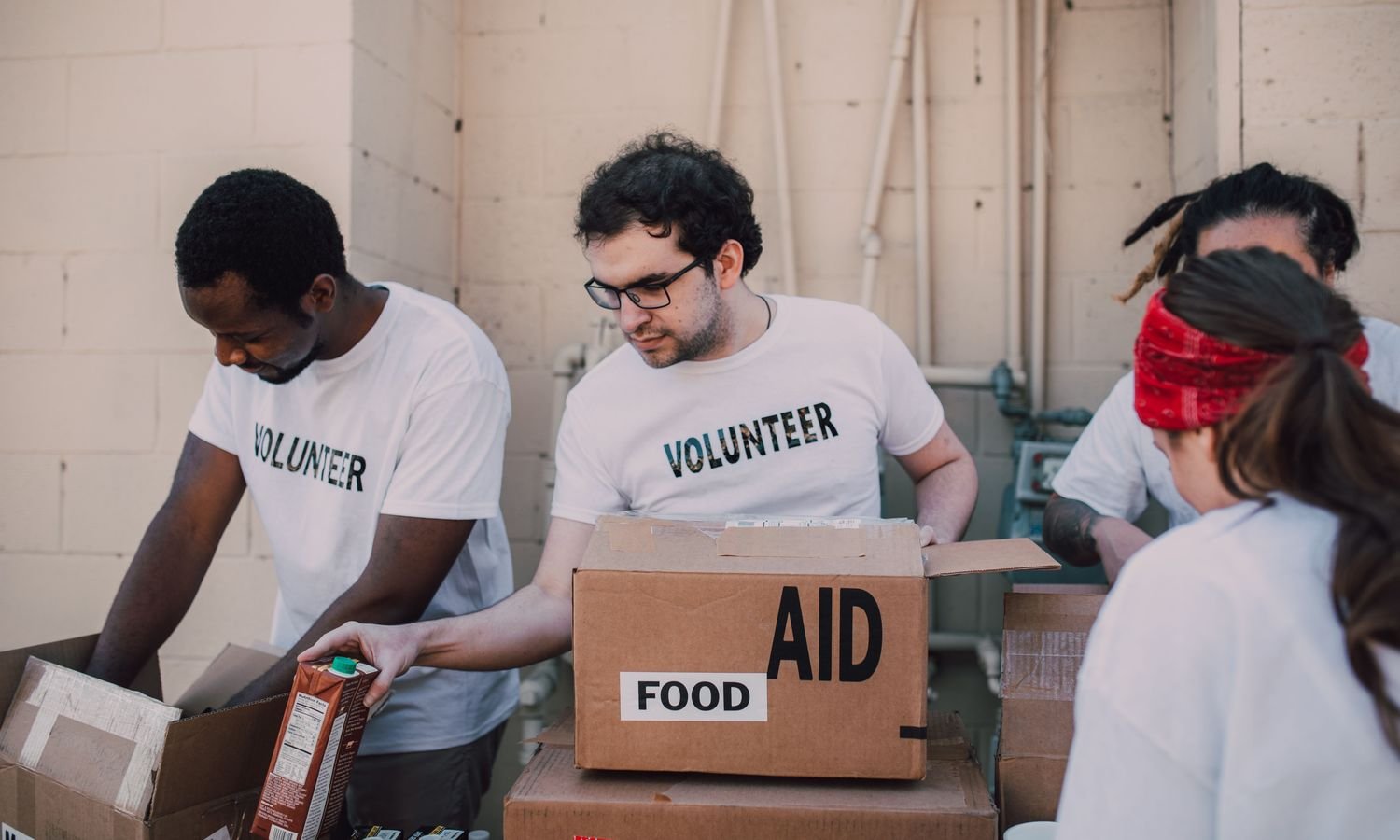
Plan Before Food Becomes Waste
Have Suitable Surplus Food? Contact the Team Early.
Share the food type, approximate quantity, preparation time, storage details, pickup location and contact person so feasibility can be checked responsibly.